
Cryotherapy: what it is, in practice
Cryotherapy is a recovery technique that uses controlled cold exposure to temporarily reduce tissue temperature and halt the inflammatory response caused by physical exertion. It can be applied in various ways, from full or partial body immersion in cold water to local ice application, and even equipment that combines cold with mechanical compression. The latter is the most recent evolution and is widely used in professional sports contexts.
The principle is always the same, even if the method changes: cold triggers an automatic physiological response in the body that, when properly applied, accelerates recovery after intense exertion. This is why cryotherapy is no longer a resource reserved for clinics and high-performance centers and has become accessible at home through cryo-immersion tubs and portable equipment like the Cryo Sport.
How cryotherapy works
When the skin and superficial tissues are exposed to very low temperatures, the body reacts with vasoconstriction, meaning the blood vessels in that area narrow to conserve heat and protect central organs. With less blood circulating locally, nerve activity in the area slows down, which reduces pain perception, while the inflammatory response associated with muscle microtrauma from training is temporarily contained.
The most interesting effect occurs afterward, when cold exposure ends. Blood vessels dilate again, in a phenomenon known as rebound vasodilation, and blood returns to the treated area in greater quantities than before the session. This influx helps remove metabolites accumulated in the muscle during exertion, which, in practice, translates into a sensation of lighter legs and a perceived faster recovery.

Benefits of cryotherapy
The most studied benefit of cryotherapy is the reduction of delayed-onset muscle soreness, known as DOMS, that feeling of heavy and sore muscles that appears between 24 and 72 hours after intense training or a demanding competition. A Cochrane systematic review that analyzed 17 clinical trials with 366 participants found statistically significant reductions in perceived muscle soreness up to 96 hours after cold water immersion when compared to passive recovery.
In addition to its effect on muscle soreness, regular cryotherapy users also report a subjective feeling of reduced fatigue immediately after the session. This helps in stringing together training sessions or games on tight schedules, such as during knockout competitions or pre-season phases with two sessions per day. The reduction of localized swelling, especially in overloaded joints like knees and ankles, is another effect often associated with the technique, although it greatly depends on the consistency of its application.

When to use cryotherapy
Cryotherapy is most effective when the priority is to recover quickly between closely spaced efforts, as happens between two games in the same week, between rounds of a tournament, or after a particularly demanding session that leaves the body sensitive for the next day. In these contexts, shortening the feeling of fatigue and muscle soreness is more valuable than any long-term side effects the technique might have.
There is, however, an exception worth noting before making cryotherapy a daily habit: several studies, including one published in the Journal of Applied Physiology and a more recent systematic review with meta-analysis, show that cold exposure immediately after strength training can hinder part of the muscle growth process, which reduces long-term hypertrophy gains, even without impairing strength. This doesn't mean that those training for muscle mass should stop using cryotherapy, but rather that it's worthwhile to distance it from the moment immediately after strength training, reserving it instead for rest days, several hours after the session, or when the priority is indeed to alleviate pain and accelerate recovery rather than maximize muscle growth stimulus. In practice, this means that cryotherapy is a natural ally during competition phases or resistance training, and in blocks dedicated to gaining muscle mass, it is more effective when used with this criterion than when it becomes automatic after every strength session.
From ice baths to Cryo Sport: how to apply cryotherapy
The most traditional form of cryotherapy continues to be cold water immersion, and it is also the most accessible for those who want to start at home. The AVACR7 inflatable cryo-immersion tubs, available in oval and round formats, were designed precisely for this: quick setup, resistant structure, and a dedicated space for cold sessions without relying on buying ice every week, especially when combined with the Chiller, which maintains water at a constant and controlled temperature, without the hassle of replenishing ice for each session.
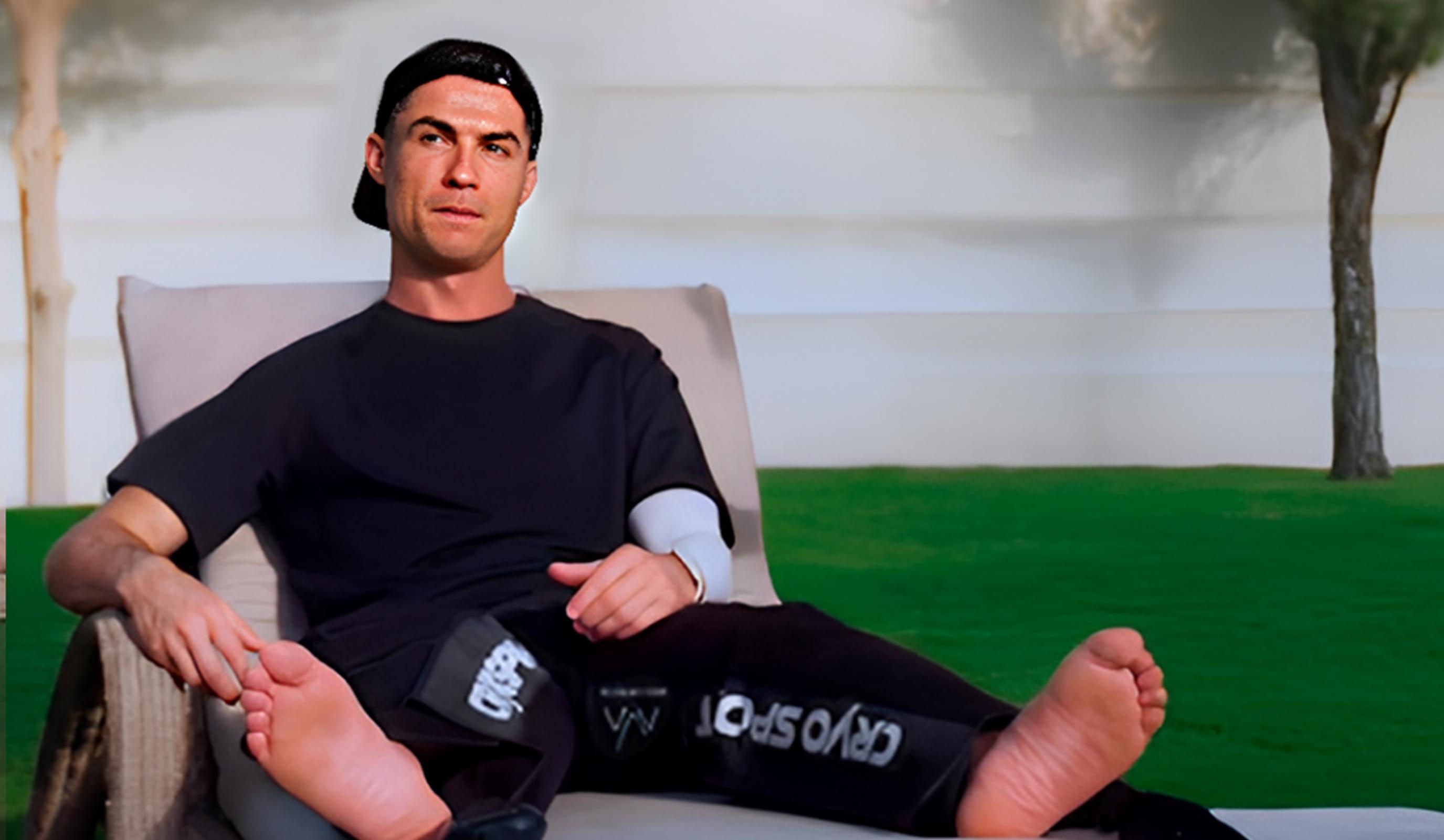
For those seeking equipment that goes beyond still cold water, the Cryo Sport combines cryotherapy with active compression, portability, and real-time thermal visualization, which allows monitoring the temperature of the treated area during the session itself. It is the option designed for athletes, sports teams, and clinics looking to reduce recovery time with more control over the session than a tub alone can offer.

Health Note
Cryotherapy is safe for most people when applied with common sense, but it is not suitable for everyone. People with circulatory problems, uncontrolled hypertension, cardiovascular disease, Raynaud's syndrome, or hypersensitivity to cold should avoid prolonged cold exposure without prior medical validation. Pregnancy is another situation that always requires professional supervision before starting any cryotherapy protocol. If you have any doubts about whether the technique is suitable for your physical condition, consult a doctor or physical therapist before starting.
If you train regularly or compete on tight schedules, cryotherapy might be the missing piece in your recovery routine. Explore the Cryo Sport for a complete portable cryo-compression solution, or start with the cryo-immersion tub with the Chiller to set up your own home recovery station.
To understand how cryotherapy fits alongside other recovery technologies, it's also worth reading Pressotherapy: What It Is, Benefits, and How It Works, the other technique that often goes hand-in-hand with cold in recovery routines. If you prefer to see this applied to real cases, Muscle Recovery in Rugby, with Tomás Appleton and Muscle Recovery in Football: Lessons from the 2026 World Cup show how high-level athletes integrate it into their daily lives.
