
What is Pressotherapy?
Pressotherapy is a sequential pneumatic compression technique that uses equipment with air chambers, usually in the form of boots or sleeves, to exert controlled pressure on the legs, arms, or abdomen. This pressure is not constant or random: it inflates and deflates sequentially, from the extremities to the center of the body, mimicking the natural movement of muscles when pumping blood and lymph back to the heart.
Since the human body largely depends on muscle contraction for venous and lymphatic return, a person who spends many hours sitting, trains intensely, or has circulatory difficulties benefits from external stimulation to aid this process. This is exactly what pressotherapy does, which is why it is used in sports, physiotherapy, and aesthetic medicine settings.
How Pressotherapy Works
Pressotherapy equipment consists of independent air chambers distributed along the boot or sleeve. During the session, these chambers inflate and deflate sequentially and programmably, creating a pressure wave that begins at the extremities (e.g., the foot) and progressively moves up to the upper leg or arm.
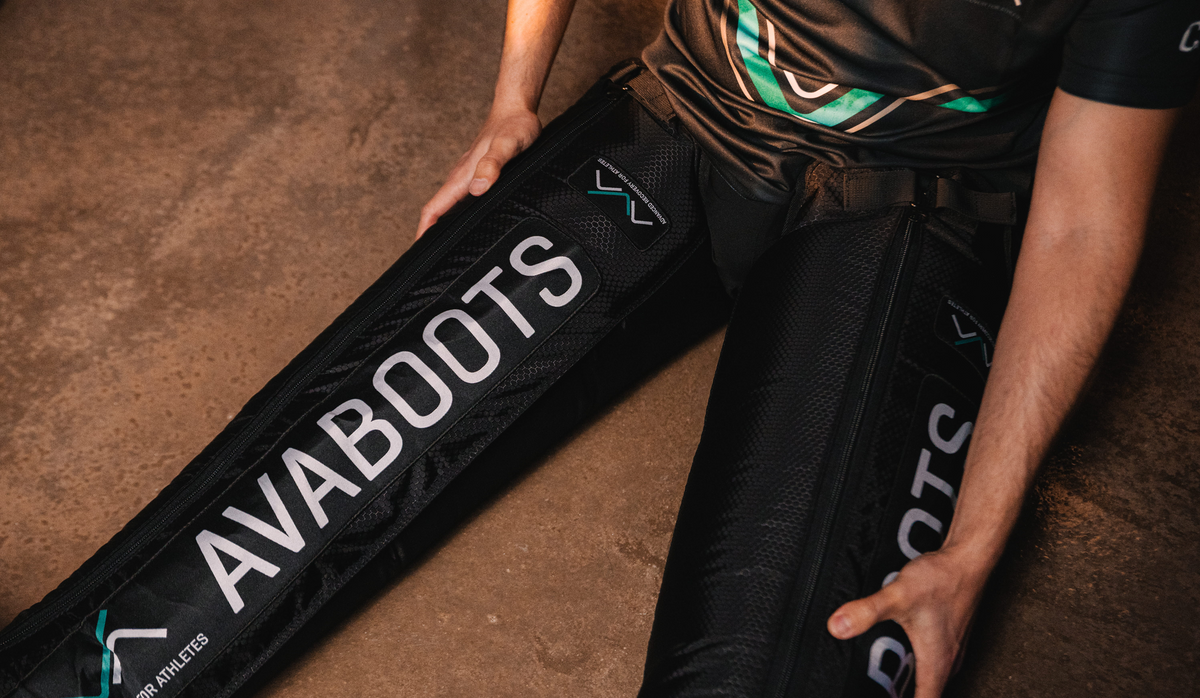
This sequential pattern is what distinguishes pressotherapy from a simple static compression stocking or sleeve. While static compression maintains constant pressure over time, dynamic pressotherapy works in cycles, actively stimulating circulation rather than just supporting it. Equipment like AVABoots follows precisely this principle: four compression chambers, adjustable pressure between 70 and 185 mmHg, and three distinct programs, to adapt the session to the objective (post-workout recovery, drainage, or relaxation).
The duration of a session typically varies between 20 and 45 minutes, and the intensity and program should be adjusted to each person's tolerance and goal, never just to the highest available setting because it's there.

Benefits of Pressotherapy
The benefits of pressotherapy are well-documented in the literature on sports recovery and circulation, especially when the technique is used regularly and not as an isolated solution:
Improved blood and lymphatic circulation, as sequential pressure helps venous blood and lymph overcome gravity and return to the heart more efficiently, especially in people who spend many hours standing or sitting.
Reduction of heavy and swollen leg sensation, an effect particularly noted by those who travel frequently, work standing up, or suffer from poor peripheral circulation.
Accelerated muscle recovery after training, as faster removal of fatigue-associated metabolites (such as lactic acid) can reduce the sensation of delayed muscle soreness and restore the feeling of "light legs" more quickly.
Support for lymphatic drainage, making it a popular technique in body aesthetics, although it should not be seen as a substitute for medical follow-up in cases of diagnosed lymphedema.
Temporary reduction in the appearance of cellulite, as improved circulation and drainage of retained fluids can visually smooth cellulite-affected skin. The effect is not permanent and does not replace other approaches, but it is one of the reasons why pressotherapy is so sought after in aesthetic contexts.
Relaxation and perceived stress reduction, as the rhythmic pressure has a calming effect similar to a massage, which also makes it popular as an end-of-day ritual.

Who Pressotherapy is For (and Who It's Not For)
Pressotherapy is usually well-tolerated by most people, but like any technique that interferes with circulation, it has contraindications that must be respected. It should not be used by those with active deep vein thrombosis, skin infections in the treatment area, decompensated heart failure, or open wounds in the application area. During pregnancy, it should always be pre-validated with the responsible doctor, as leg pressure and circulatory response may require specific adjustments.
If you experience pain, persistent numbness, or changes in skin color during or after a session, discontinue use and seek professional medical advice. Pressotherapy is a recovery and wellness tool, not a medical treatment, and in cases of persistent pain or circulatory warning signs, it is always best to consult a healthcare professional before continuing to use it.
AVACR7 Pressotherapy Equipment
At AVACR7, we offer pressotherapy with two complementary solutions, designed for different moments in your recovery routine.
The AVABoots are the complete pneumatic pressotherapy equipment: completely wireless compression boots, easily controlled via their dedicated app, with four compression chambers, adjustable pressure between 70 and 185 mmHg, and three distinct programs. They are the right choice for dedicated sessions of muscle recovery, lymphatic drainage, and improved circulation, whether at home, in the gym, or after a competition.

The AVAPress complete this routine with light and portable technical compression, ideal for daily use, travel, or training, maintaining the circulatory effect between pressotherapy sessions without needing to be connected to equipment. Together, the two solutions cover both intensive recovery sessions and daily circulation maintenance.

When Pressotherapy Joins Other Therapies
Pressotherapy is rarely used in isolation when the goal is to maximize recovery, and one of the most effective combinations is pairing it with cryotherapy. Cold reduces inflammation and pain perception immediately after exertion, while active compression accelerates venous and lymphatic return, removing metabolites responsible for muscle fatigue. The two techniques act through different and complementary mechanisms, which explains why more and more professional equipment combines both in a single session.
This is the case with Cryo Sport, the AVACR7 equipment that combines cryotherapy with active compression, portability, and real-time thermal visualization. Instead of needing two separate sessions, Cryo Sport applies cold and sequential pressure simultaneously, resulting in a more complete recovery after high-intensity training or games, especially in sports teams where recovery time between sessions is limited.

Another combination worth knowing is the LedBoots, which combine LED photobiomodulation (528 lights, between 850nm infrared and 660nm red) with ergonomic compression adjustable up to 25 mmHg. This value falls within the medium compression range (20 to 30 mmHg), which is the level usually associated with supporting venous return and lymphatic drainage, and is therefore also used for maintenance in mild cases of fluid retention. While LED light acts on tissue regeneration and inflammation reduction, compression helps mobilize local blood and lymphatic flow, reinforcing the effect of light therapy with the same circulatory stimulation principle behind pressotherapy.
How to Integrate Pressotherapy into Your Routine
It is best to start with short sessions, between 15 and 20 minutes, gradually adjusting the duration and pressure as your body adapts to the stimulus, rather than immediately going for the highest available setting. Using pressotherapy after training or at the end of the day usually brings more benefit, as these are the moments when circulation most needs external stimulation to compensate for hours of effort or immobility. It is also worth combining sessions with good hydration, as the body needs water to effectively eliminate metabolites mobilized during compression. On days when you don't have a full session, you can use AVAPress to maintain the circulatory effect without needing the equipment, thus ensuring some continuity even without a dedicated session. And, above all, consistency is more important than intensity, as the benefits of pressotherapy accumulate with regular use, not with occasional and very long sessions.
If you are looking for a consistent way to recover better, the AVABoots bring professional pressotherapy home, and the AVAPress maintain that effect with you every day. If you want to go further and combine pressotherapy with other recovery therapies, the Cryo Sport combines cryotherapy and active compression in a single session, and the LedBoots combine LED therapy with ergonomic compression. Explore all four solutions and discover which one best fits your recovery routine.
